
निमाड़ी कलाकार

NARENDRA MODI नरेंद्र मोदी – जीवन परिचय 17 सितंबर 1950

NARENDRA MODI नरेंद्र मोदी – जीवन परिचय 17 सितंबर 1950

NARENDRA MODI नरेंद्र मोदी - जीवन परिचय 17 सितंबर 1950
NARENDRA MODI नरेंद्र मोदी – जीवन परिचय 17 सितंबर 1950

जीवन परिचय, राजनीतिक सफर और भारत की राजनीति पर प्रभाव


NARENDRA MODI नरेंद्र मोदी – जीवन परिचय 17 सितंबर 1950

प्रस्तावना

Narendra Modi आधुनिक भारत की राजनीति के सबसे प्रभावशाली और चर्चित नेताओं में से एक हैं। वे 2014 से लगातार India के प्रधानमंत्री हैं और भारतीय राजनीति में एक मजबूत नेतृत्व शैली के लिए जाने जाते हैं।

उनके समर्थक उन्हें एक निर्णायक और विकास केंद्रित नेता मानते हैं, जबकि आलोचक उनकी कुछ नीतियों और फैसलों को विवादास्पद बताते हैं।

मोदी का जीवन एक साधारण परिवार से उठकर देश के सर्वोच्च राजनीतिक पद तक पहुंचने की कहानी है। उनका सफर संघर्ष, संगठनात्मक राजनीति, प्रशासनिक अनुभव और राष्ट्रीय स्तर पर नेतृत्व के विकास का उदाहरण है।


1. जन्म और प्रारंभिक जीवन

Narendra Modi का जन्म 17 सितंबर 1950 को Vadnagar में हुआ था।

उनके पिता का नाम Damodardas Mulchand Modi था, जो रेलवे स्टेशन के पास चाय की दुकान चलाते थे। उनकी माता का नाम Hiraben Modi था।

मोदी का परिवार आर्थिक रूप से बहुत संपन्न नहीं था और उन्होंने बचपन में अपने पिता की चाय की दुकान पर मदद भी की।


2. शिक्षा

मोदी ने अपनी प्रारंभिक शिक्षा वडनगर में ही प्राप्त की।

बाद में उन्होंने राजनीति विज्ञान में स्नातक की पढ़ाई University of Delhi से पूरी की और स्नातकोत्तर की पढ़ाई Gujarat University से की।

हालाँकि उनकी शिक्षा को लेकर कई बार राजनीतिक बहस भी हुई है और विपक्ष ने उनके शैक्षणिक रिकॉर्ड पर सवाल उठाए हैं।


3. राष्ट्रीय स्वयंसेवक संघ से जुड़ाव

युवावस्था में मोदी Rashtriya Swayamsevak Sangh (RSS) से जुड़े।

RSS में उन्होंने एक प्रचारक के रूप में काम किया। इस दौरान उन्होंने संगठनात्मक कार्य, जनसंपर्क और राजनीतिक रणनीति की समझ विकसित की।

RSS में बिताए गए वर्षों ने उनके राजनीतिक विचार और कार्यशैली को गहराई से प्रभावित किया।


4. भारतीय जनता पार्टी में प्रवेश

1980 के दशक में मोदी सक्रिय राजनीति में आए और Bharatiya Janata Party से जुड़ गए।

उन्होंने पार्टी के संगठनात्मक कार्यों में महत्वपूर्ण भूमिका निभाई और जल्द ही एक कुशल रणनीतिकार के रूप में पहचाने जाने लगे।

1990 के दशक में वे बीजेपी के राष्ट्रीय स्तर के नेताओं में शामिल हो गए।


5. गुजरात के मुख्यमंत्री (2001–2014)
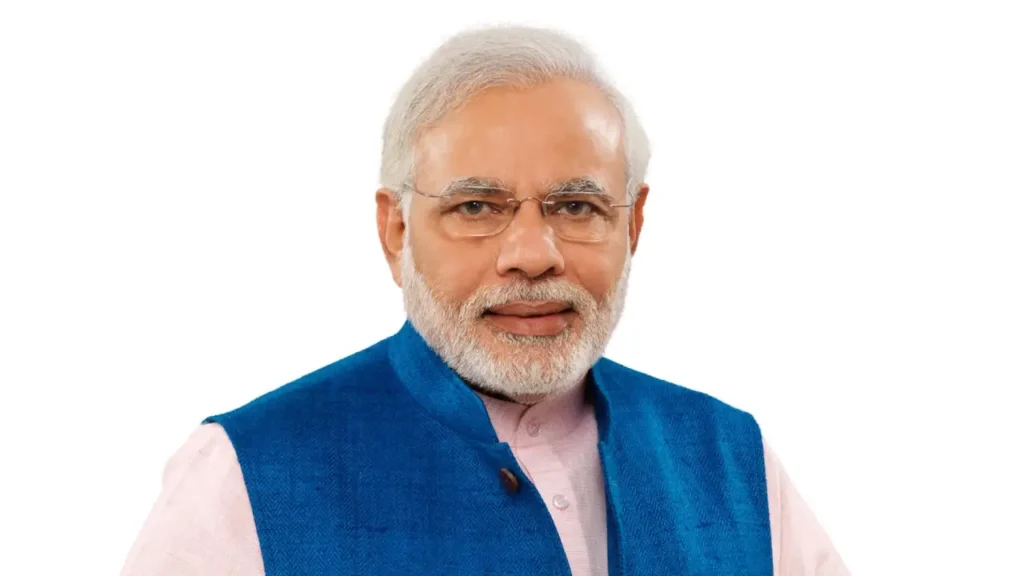
गुजरात के मुख्यमंत्री (2001–2014)

2001 में मोदी को Gujarat का मुख्यमंत्री बनाया गया।

सकारात्मक पहलू

उनके कार्यकाल में कई विकास परियोजनाएँ शुरू हुईं:

  • औद्योगिक विकास

  • बुनियादी ढांचे में सुधार

  • निवेश आकर्षित करने की नीति

  • “Vibrant Gujarat” निवेश सम्मेलन

इस दौरान गुजरात को तेज आर्थिक विकास वाले राज्यों में गिना जाने लगा।


विवाद और आलोचना

2002 में गुजरात में हुए 2002 Gujarat Riots मोदी के राजनीतिक जीवन का सबसे बड़ा विवाद बना।

आलोचकों का आरोप था कि सरकार दंगों को रोकने में विफल रही।

हालाँकि भारत की सर्वोच्च अदालत द्वारा नियुक्त विशेष जांच दल (SIT) ने बाद में मोदी के खिलाफ आपराधिक साजिश के आरोपों के पर्याप्त सबूत नहीं पाए।

फिर भी यह घटना भारतीय राजनीति में लंबे समय तक चर्चा का विषय बनी रही।


6. भारत के प्रधानमंत्री (2014–वर्तमान)
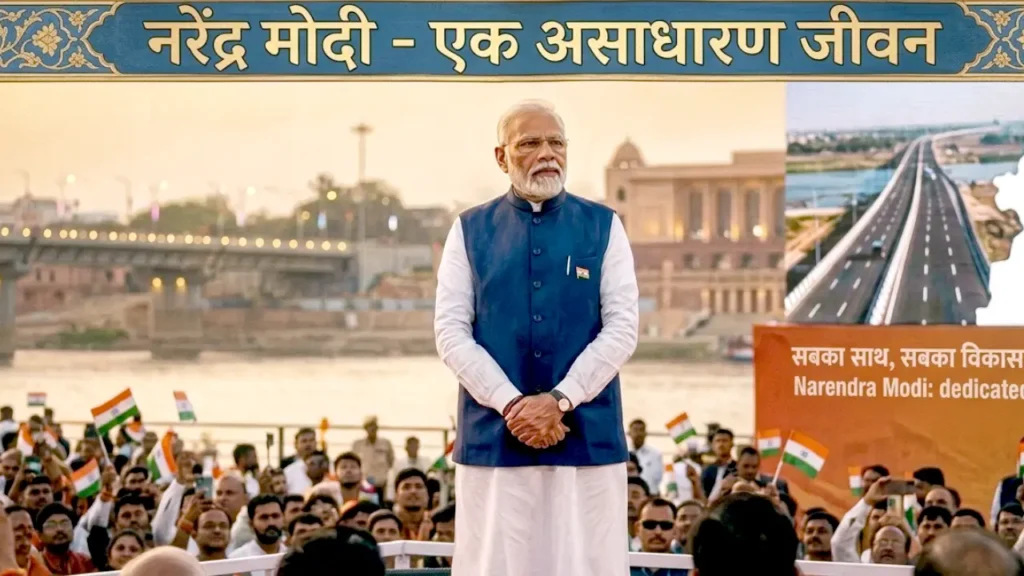
भारत के प्रधानमंत्री (2014–वर्तमान)

2014 के आम चुनाव में Narendra Modi के नेतृत्व में Bharatiya Janata Party ने ऐतिहासिक जीत हासिल की।

वे भारत के 14वें प्रधानमंत्री बने।

2019 में उन्होंने दूसरी बार भी भारी बहुमत से जीत हासिल की।


7. प्रमुख नीतियाँ और उपलब्धियाँ

आर्थिक सुधार

  • Make in India

  • Digital India

  • Startup India

इन योजनाओं का उद्देश्य भारत में उद्योग, तकनीक और उद्यमिता को बढ़ावा देना था।


सामाजिक योजनाएँ

मोदी सरकार ने कई कल्याणकारी योजनाएँ शुरू कीं:

  • Pradhan Mantri Jan Dhan Yojana

  • Swachh Bharat Mission

  • Ujjwala Yojana

  • Ayushman Bharat

इन योजनाओं का उद्देश्य गरीब और ग्रामीण वर्ग के जीवन स्तर को सुधारना था।


8. बड़े और विवादास्पद फैसले

नोटबंदी (2016)

2016 में मोदी सरकार ने 2016 Indian Demonetization लागू किया।

सरकार का उद्देश्य था:

  • काले धन पर रोक

  • नकली नोटों पर नियंत्रण

  • डिजिटल अर्थव्यवस्था को बढ़ावा

लेकिन इस निर्णय की आलोचना भी हुई क्योंकि इससे छोटे व्यापार और असंगठित क्षेत्र को कठिनाइयाँ हुईं।


अनुच्छेद 370 हटाना

2019 में सरकार ने Article 370 of the Indian Constitution को समाप्त कर दिया, जिससे Jammu and Kashmir का विशेष दर्जा खत्म हो गया।

समर्थकों ने इसे राष्ट्रीय एकता का कदम बताया, जबकि आलोचकों ने इसे विवादास्पद निर्णय माना।


नागरिकता संशोधन अधिनियम (CAA)

2019 में सरकार ने Citizenship Amendment Act पारित किया।

इस कानून को लेकर देश के कई हिस्सों में विरोध प्रदर्शन हुए।


9. विदेश नीति

मोदी की विदेश नीति सक्रिय और कूटनीतिक रूप से आक्रामक मानी जाती है।

उन्होंने कई देशों के साथ संबंध मजबूत किए, जिनमें शामिल हैं:

  • United States

  • Japan

  • France

  • Australia

भारत की वैश्विक भूमिका को मजबूत करने की दिशा में उन्होंने कई पहल की।


10. व्यक्तिगत जीवन

मोदी की पत्नी का नाम Jashodaben Modi है।

हालाँकि वे अधिकतर सार्वजनिक जीवन में अकेले ही दिखाई देते हैं और उनका जीवन काफी हद तक सार्वजनिक सेवा को समर्पित रहा है।

मोदी योग, ध्यान और अनुशासित जीवन शैली के लिए भी जाने जाते हैं।


11. आलोचना और राजनीतिक विवाद

मोदी सरकार को कई मुद्दों पर आलोचना का सामना भी करना पड़ा:

  • मीडिया स्वतंत्रता पर सवाल

  • विपक्ष के साथ राजनीतिक टकराव

  • बेरोजगारी और आर्थिक चुनौतियाँ

  • सामाजिक और धार्मिक तनाव के आरोप

इन मुद्दों पर देश में राजनीतिक बहस जारी रहती है।


12. आधुनिक भारत में मोदी की भूमिका
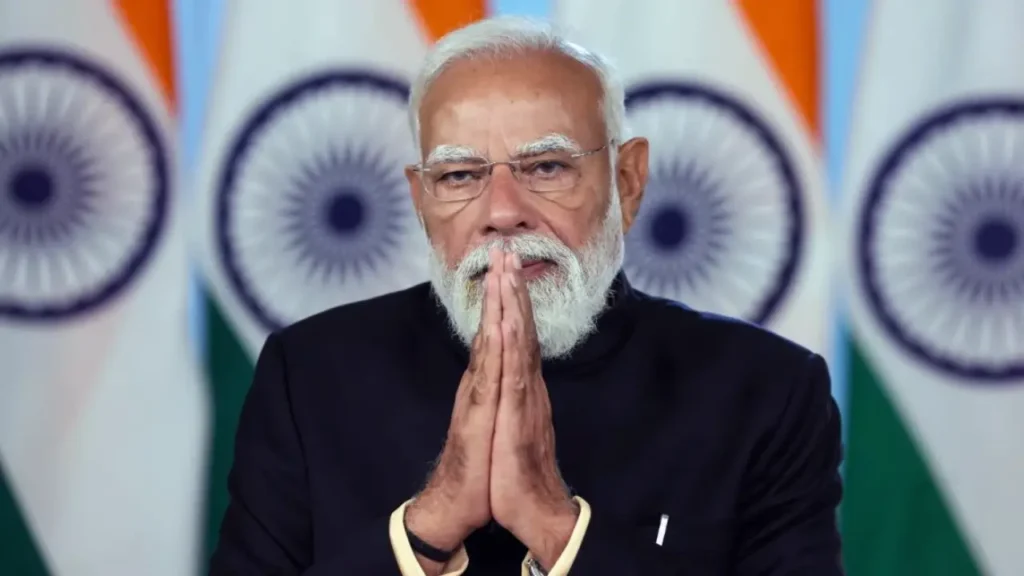
आधुनिक भारत में मोदी की भूमिका

Narendra Modi ने भारतीय राजनीति को काफी हद तक बदल दिया है।

उनकी राजनीति की प्रमुख विशेषताएँ हैं:

  • मजबूत नेतृत्व

  • राष्ट्रवाद पर जोर

  • विकास आधारित राजनीति

  • डिजिटल और तकनीकी परिवर्तन


निष्कर्ष

Narendra Modi का जीवन एक साधारण पृष्ठभूमि से देश के सर्वोच्च पद तक पहुँचने की कहानी है।

उनके राजनीतिक जीवन में कई उपलब्धियाँ, बड़े फैसले और विवाद भी शामिल रहे हैं।

समर्थकों के लिए वे एक परिवर्तनकारी नेता हैं, जबकि आलोचक उनकी नीतियों पर सवाल उठाते हैं। लेकिन यह निश्चित है कि आधुनिक भारतीय राजनीति और शासन व्यवस्था पर उनका प्रभाव गहरा और दीर्घकालिक रहेगा।
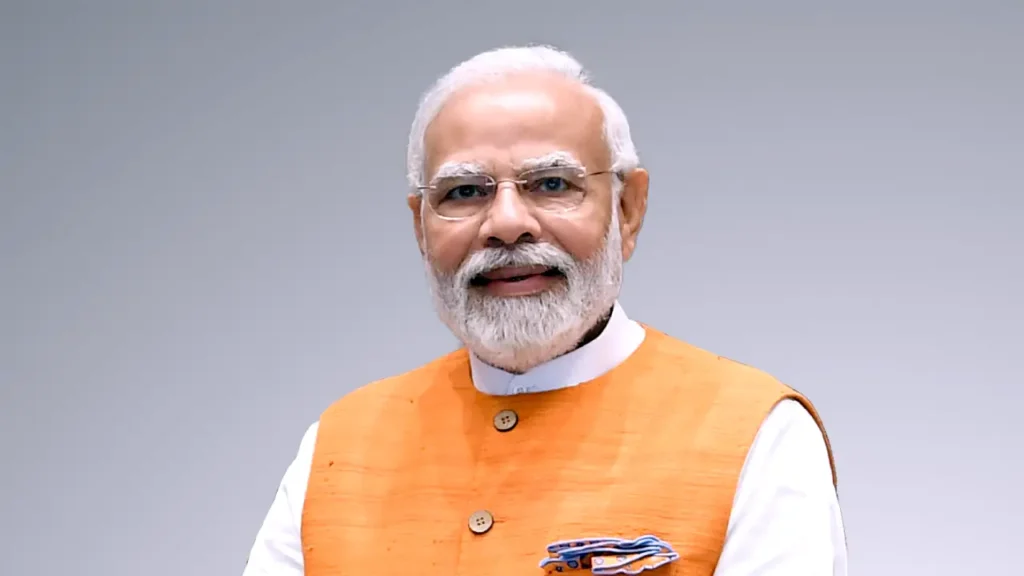
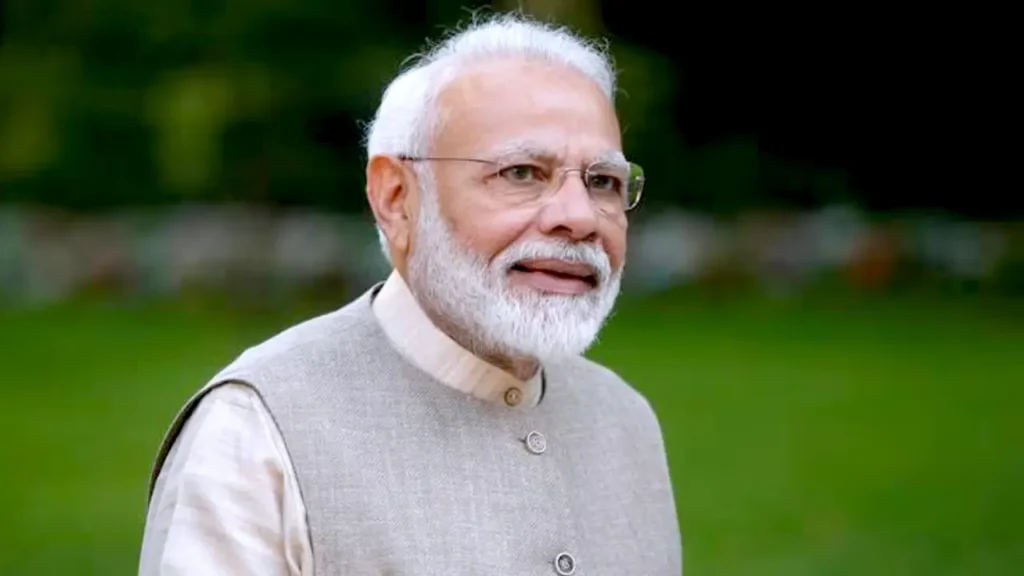
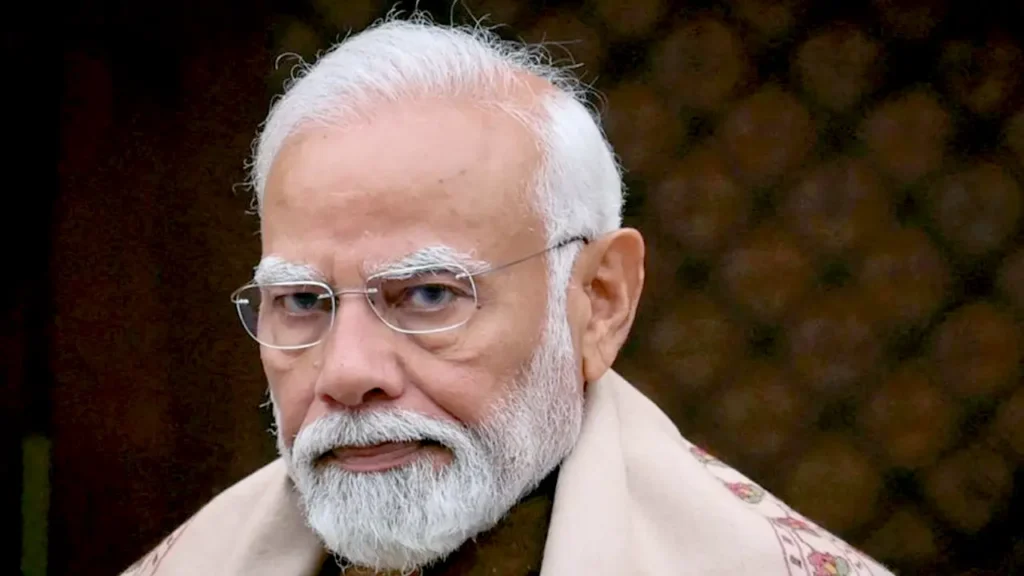
 NARENDRA MODI Biography

Life Journey, Political Career, and Influence on Indian Politics

 NARENDRA MODI Biography
NARENDRA MODI Biography

Introduction

Narendra Modi is one of the most influential and widely discussed political leaders in modern India. He has been serving as the Prime Minister of India since 2014 and is known for his strong leadership style in Indian politics.

Supporters consider him a decisive and development-oriented leader, while critics view some of his policies and decisions as controversial.

Modi’s life story is often described as a journey from a modest background to the highest political office in the country. His rise reflects years of struggle, organizational work, administrative experience, and leadership at the national level.


1. Birth and Early Life

Narendra Modi was born on 17 September 1950 in Vadnagar.

His father, Damodardas Mulchand Modi, ran a tea stall near a railway station, and his mother was Hiraben Modi.

Modi’s family was not financially well-off. During his childhood, he helped his father at the tea stall, an experience often cited as part of his humble beginnings.


2. Education

Modi completed his early education in Vadnagar.

Later, he pursued a bachelor’s degree in political science from the University of Delhi and completed a master’s degree from Gujarat University.

However, his educational background has sometimes been debated in political circles, and opposition leaders have raised questions about his academic records.


3. Association with RSS

During his youth, Modi became associated with the Rashtriya Swayamsevak Sangh (RSS).

In the RSS, he worked as a pracharak (full-time organizer). During this time, he developed strong organizational skills, public communication abilities, and political strategies.

His years in the RSS significantly influenced his ideological thinking and political style.


4. Entry into the Bharatiya Janata Party

In the 1980s, Modi entered active politics and joined the Bharatiya Janata Party.

He played an important role in the party’s organizational structure and quickly gained recognition as a skilled political strategist.

By the 1990s, he had become an important figure in the BJP at the national level.


5. Chief Minister of Gujarat (2001–2014)

Chief Minister of Gujarat (2001–2014)

In 2001, Modi was appointed Chief Minister of Gujarat.

Positive Aspects

During his tenure, several development initiatives were launched, including:

  • Industrial growth and expansion

  • Improvement of infrastructure

  • Policies to attract investment

  • The Vibrant Gujarat Global Investors Summit

Because of these initiatives, Gujarat was often described as one of the fastest-growing states in India.


Controversies and Criticism

The 2002 Gujarat Riots became the most controversial episode of Modi’s political career.

Critics accused the state government of failing to control the violence effectively.

However, a Special Investigation Team (SIT) appointed by the Supreme Court of India later stated that it found no sufficient evidence to prosecute Modi for criminal conspiracy.

Despite this, the riots remain a major subject of political debate in India.


6. Prime Minister of India (2014–Present)

Prime Minister of India (2014–Present)

In the 2014 general elections, the Bharatiya Janata Party, led by Modi, achieved a historic victory.

Narendra Modi became the 14th Prime Minister of India.

In 2019, he won a second term with an even larger electoral mandate.


7. Major Policies and Achievements

गुजरात के मुख्यमंत्री (2001–2014)

Economic Initiatives

Several economic and development initiatives were launched under his leadership, including:

  • Make in India

  • Digital India

  • Startup India

These initiatives aimed to promote manufacturing, digital infrastructure, and entrepreneurship in India.


Social Welfare Programs

The Modi government also introduced several social welfare schemes, such as:

  • Pradhan Mantri Jan Dhan Yojana

  • Swachh Bharat Mission

  • Pradhan Mantri Ujjwala Yojana

  • Ayushman Bharat

These programs aimed to improve the living conditions of poor and rural populations.


8. Major and Controversial Decisions

Demonetization (2016)

In 2016, the Modi government implemented the 2016 Indian Demonetization.

The stated objectives were:

  • Reducing black money

  • Controlling counterfeit currency

  • Promoting a digital economy

However, critics argued that the move caused significant disruption to small businesses and the informal economy.


Removal of Article 370

In 2019, the government revoked Article 370 of the Indian Constitution, which ended the special constitutional status of Jammu and Kashmir.

Supporters viewed it as a step toward national integration, while critics described it as controversial and politically sensitive.


Citizenship Amendment Act (CAA)

In 2019, the government passed the Citizenship Amendment Act.

The law sparked widespread protests in several parts of India and led to debates about citizenship policy and religious identity.


9. Foreign Policy

Modi’s foreign policy has been described as active and assertive.

India strengthened diplomatic and strategic relations with several countries, including:

  • United States

  • Japan

  • France

  • Australia

His government has also focused on increasing India’s global influence and strategic partnerships.


10. Personal Life

Modi’s wife is Jashodaben Modi.

However, he largely lives a public life dedicated to political and administrative work.

He is known for practicing yoga, meditation, and maintaining a disciplined daily routine.


11. Criticism and Political Debates

The Modi government has also faced criticism on several issues, including:

  • Concerns about media freedom

  • Political tensions with opposition parties

  • Unemployment and economic challenges

  • Allegations of increasing social and religious polarization

These issues continue to be debated in India’s political landscape.


12. Modi’s Role in Modern India

Narendra Modi has significantly reshaped the political landscape of India.

Key characteristics of his leadership include:

  • Strong centralized leadership

  • Emphasis on nationalism

  • Development-oriented governance

  • Promotion of digital and technological transformation


Conclusion

The life of Narendra Modi reflects a journey from modest beginnings to the highest political office in India.

His political career includes major achievements, significant policy decisions, and also controversies.

For supporters, he represents a transformative leader driving India toward development and global prominence. For critics, some of his policies remain subjects of debate.

Regardless of differing views, his impact on modern Indian politics and governance is significant and likely to remain influential for years to come.

Scroll to Top