

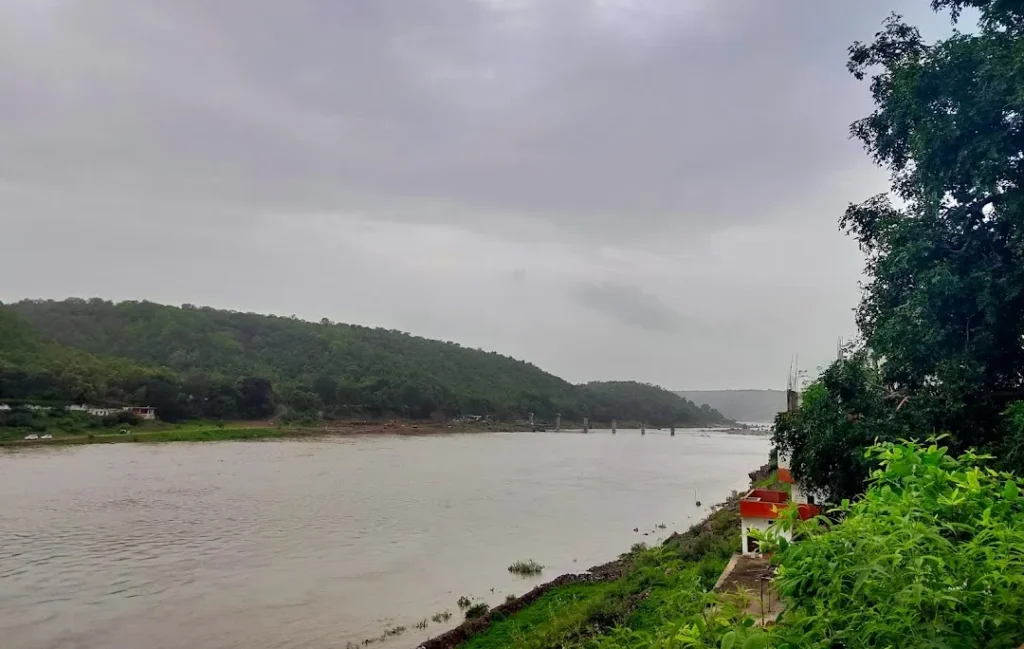
मध्य प्रदेश की कावेरी नदी: नर्मदा की पावन सहायक और पुराणों में वर्णित तीर्थ
This article is written by Gitesh Kumar Bhargava, capturing the essence of the subject with clarity and insight.
भारत में “कावेरी नदी” का नाम सुनते ही प्रायः लोगों के मन में दक्षिण भारत की प्रसिद्ध कावेरी (दक्षिण गंगा) की छवि उभरती है, किंतु बहुत कम लोग जानते हैं कि मध्य प्रदेश में भी कावेरी नाम की एक पवित्र नदी है। यह नदी दक्षिण भारत की कावेरी से पूर्णतः भिन्न है और नर्मदा नदी की एक छोटी किंतु अत्यंत महत्वपूर्ण सहायक नदी मानी जाती है।
मध्य प्रदेश की कावेरी नदी का परिचय
मध्य प्रदेश की कावेरी नदी नर्मदा नदी की सहायक है और इसका संगम ओंकारेश्वर (मंधाता) के समीप नर्मदा से होता है। यह संगम स्थल धार्मिक दृष्टि से अत्यंत पवित्र माना जाता है। इस कावेरी नदी की कुल लंबाई लगभग 40 किलोमीटर है, परंतु इसका धार्मिक और पौराणिक महत्व बहुत व्यापक है।
उद्गम और संगम
उद्गम: मध्य प्रदेश क्षेत्र में
संगम: ओंकारेश्वर (मंधाता) के पास नर्मदा नदी में
प्रकृति: नर्मदा की सहायक नदी
ओंकारेश्वर का क्षेत्र स्वयं ज्योतिर्लिंग और तीर्थ स्थल होने के कारण प्रसिद्ध है, और वहीं कावेरी–नर्मदा संगम को विशेष पुण्यकारी माना गया है।
धार्मिक और पौराणिक महत्व
मध्य प्रदेश की कावेरी नदी का उल्लेख मत्स्य पुराण और कूर्म पुराण में मिलता है। इन ग्रंथों के अनुसार—
कावेरी–नर्मदा संगम स्थल पर स्नान करने से
प्रयाग (त्रिवेणी संगम) के समान पुण्य फल प्राप्त होता है।इस संगम को पाप नाशक तीर्थ कहा गया है।
मान्यता है कि कुबेर ने इसी कावेरी नदी के तट पर तपस्या की थी, इसलिए यह नदी अत्यंत पूजनीय मानी जाती है।
दक्षिण भारत की कावेरी नदी से अंतर

अक्सर लोग मध्य प्रदेश की कावेरी नदी को दक्षिण भारत की कावेरी से भ्रमित कर बैठते हैं, जबकि दोनों में स्पष्ट अंतर है।
दक्षिण भारत की कावेरी नदी:
उद्गम: कर्नाटक के ब्रह्मगिरि पर्वत से
प्रवाह: कर्नाटक और तमिलनाडु
संगम: बंगाल की खाड़ी
विशेष नाम: दक्षिण गंगा
प्रकृति: सदानीरा और अत्यंत विस्तृत नदी
मध्य प्रदेश की कावेरी नदी:
नर्मदा की सहायक नदी
लंबाई: लगभग 40 किमी
संगम: ओंकारेश्वर के पास नर्मदा में
महत्व: पौराणिक, तीर्थ एवं तपस्या से जुड़ा
कावेरी–नर्मदा संगम: एक महत्वपूर्ण तीर्थ

कावेरी और नर्मदा का संगम श्रद्धालुओं के लिए विशेष आस्था का केंद्र है। यहाँ:
श्रद्धालु स्नान, दान और पूजा करते हैं
नर्मदा परिक्रमा करने वाले यात्री इस संगम का विशेष महत्व मानते हैं
संगम स्थल आध्यात्मिक शांति और तपोभूमि के रूप में प्रसिद्ध है
निष्कर्ष
मध्य प्रदेश की कावेरी नदी भले ही लंबाई में छोटी हो, लेकिन धार्मिक, पौराणिक और आध्यात्मिक दृष्टि से अत्यंत महान है। यह नदी नर्मदा की गोद में समाहित होकर उसके महत्व को और भी बढ़ा देती है।
यह समझना आवश्यक है कि मध्य प्रदेश की कावेरी और दक्षिण भारत की कावेरी दो अलग-अलग नदियाँ हैं, जिनका भूगोल, प्रवाह और ऐतिहासिक महत्व भिन्न है।
कावेरी–नर्मदा संगम भारतीय सनातन परंपरा में श्रद्धा, तपस्या और पुण्य का प्रतीक है।
To know more about Narmada rive click here
To Know the Religious Facts and story about NARMADA Click Here
Kaveri River of Madhya Pradesh: A Sacred Tributary of the Narmada and a Tirtha Mentioned in the Puranas
Religious and Mythological Significance
This article is written by Gitesh Kumar Bhargava, capturing the essence of the subject with clarity and insight.
In India, the name “Kaveri River” generally brings to mind the famous Kaveri of South India, often revered as the Dakshin Ganga (Southern Ganges). However, very few people are aware that there is also a sacred river named Kaveri in Madhya Pradesh. This river is entirely different from the South Indian Kaveri and is regarded as a small yet highly significant tributary of the Narmada River.
Introduction to the Kaveri River of Madhya Pradesh
The Kaveri River of Madhya Pradesh is a tributary of the Narmada River and merges with it near Omkareshwar (Mandhata). This confluence is considered extremely sacred from a religious perspective.
Although the total length of this river is only about 40 kilometers, its religious and mythological importance is profound and far-reaching.
Origin and Confluence
Origin: Within the region of Madhya Pradesh
Confluence: Joins the Narmada River near Omkareshwar (Mandhata)
Nature: Tributary of the Narmada River
The region of Omkareshwar itself is renowned as a Jyotirlinga and major pilgrimage center, and therefore the Kaveri–Narmada confluence is considered especially meritorious and sacred.
Religious and Mythological Significance
The Kaveri River of Madhya Pradesh is mentioned in ancient scriptures such as the Matsya Purana and the Kurma Purana. According to these texts:
Bathing at the Kaveri–Narmada confluence grants spiritual merit equivalent to bathing at Prayag (the Triveni Sangam).
This confluence is described as a sin-destroying sacred site (Paap Nashak Tirtha).
It is believed that Kubera, the god of wealth, performed austerities on the banks of this Kaveri River, which makes it especially revered and worshipped.
Difference Between the Kaveri River of South India and Madhya Pradesh
Many people mistakenly confuse the Kaveri River of Madhya Pradesh with the famous Kaveri of South India, whereas there are clear distinctions between the two.
Kaveri River of South India:
Origin: Brahmagiri Hills, Karnataka
Flow: Through Karnataka and Tamil Nadu
Confluence: Bay of Bengal
Honorific Name: Dakshin Ganga (Southern Ganges)
Nature: Perennial and vast river
Kaveri River of Madhya Pradesh:
Nature: Tributary of the Narmada River
Length: Approximately 40 kilometers
Confluence: Joins the Narmada near Omkareshwar
Significance: Associated with mythology, pilgrimage, and penance
Kaveri–Narmada Confluence: An Important Pilgrimage Site
The confluence of the Kaveri and Narmada rivers is a major center of faith for devotees. At this sacred site:
Pilgrims perform ritual bathing, charity, and worship
Those undertaking the Narmada Parikrama regard this confluence as highly significant
The area is renowned as a place of spiritual peace and ascetic practice
Conclusion
Although the Kaveri River of Madhya Pradesh is small in length, it is immense in religious, mythological, and spiritual significance. By merging into the sacred Narmada, it further enhances the sanctity and grandeur of the river.
It is important to understand that the Kaveri of Madhya Pradesh and the Kaveri of South India are two entirely different rivers, with distinct geography, flow patterns, and historical importance.
The Kaveri–Narmada confluence stands as a powerful symbol of faith, penance, and spiritual merit within the eternal Sanatan tradition of India.